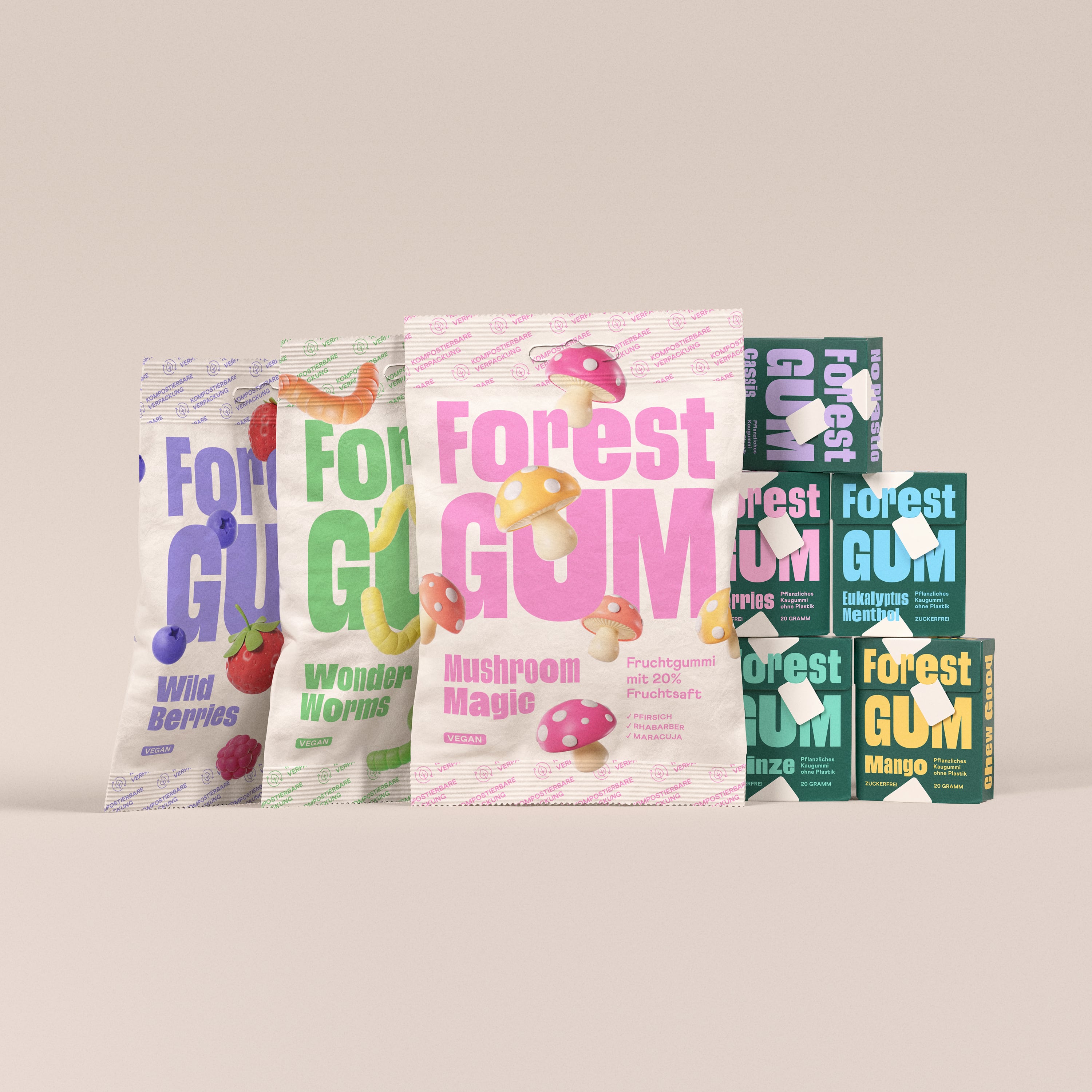
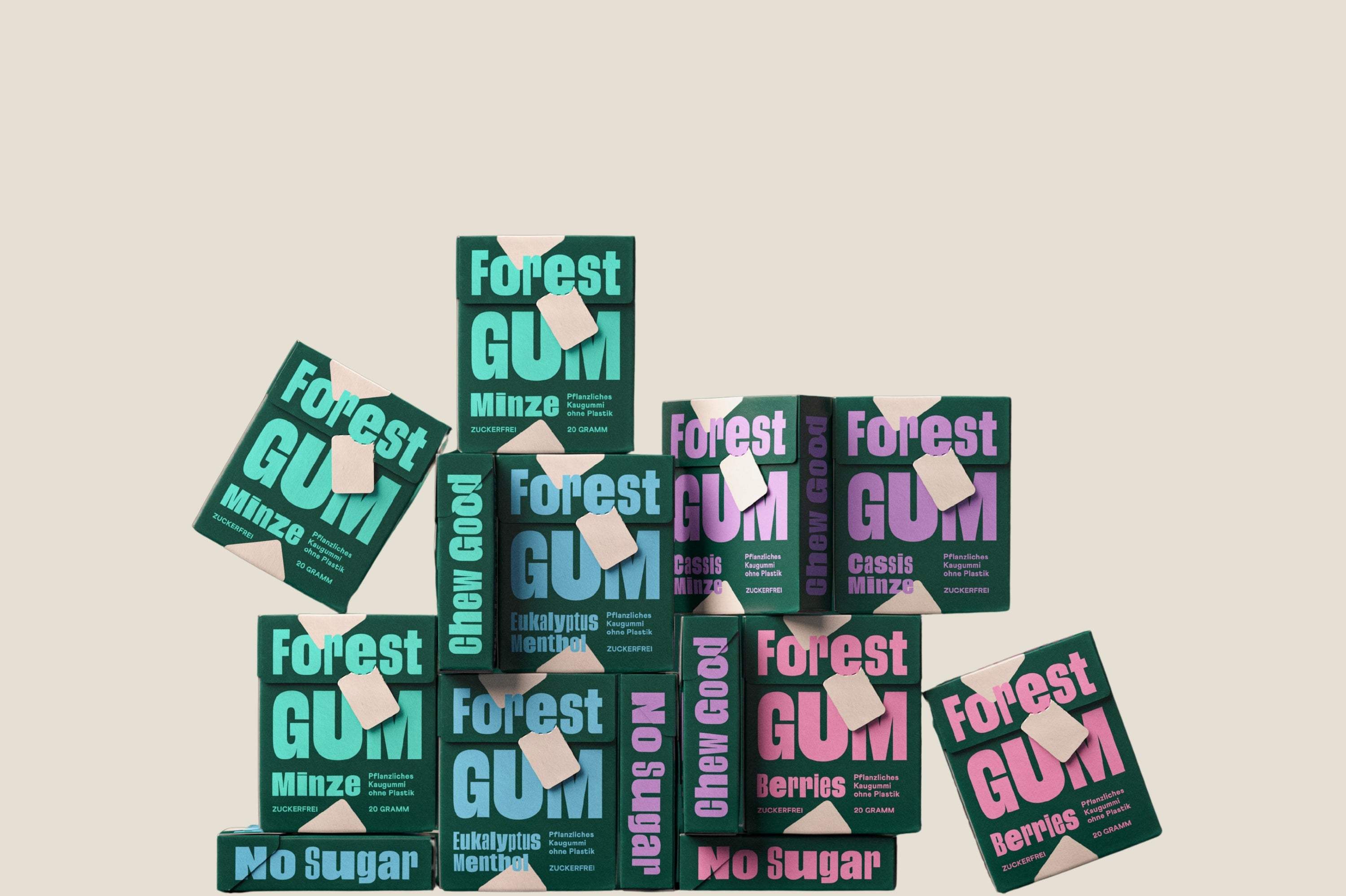


You have been chewing plastic for years – and nobody told you.
For many, chewing gum is as much a part of everyday life as morning coffee. Fresh breath after lunch. Focus while studying. Something to occupy your hands while waiting. But while you might be chewing on your favorite flavor right now, your teeth are chewing on something that you probably wouldn't have on your shopping list: plastic.

What is actually in the gum base?
What is chewing gum actually made of? The answer is uncomfortable. The gum base of most products on the German market consists of petrochemical polymers – substances derived from petroleum. Chewing gum made from petroleum. The same classes of materials are used in car tires and plastic bottles.
Sounds like science fiction? Unfortunately, it is everyday life.
The catch: Legally, this is perfectly fine. In the EU, "gum base" is considered an approved food ingredient. Manufacturers are not required to disclose exactly what is in it. The collective term is sufficient for the ingredients list. In case of doubt, you don't know what you are buying.
Why microplastics in the body are not an abstract problem
Current studies show: microplastics in the body are real. They are detectable in the bloodstream, in the liver, in the intestines, and in heart tissue. Microplastic particles can settle and trigger inflammatory reactions. According to the German Environment Agency, we ingest several grams of microplastics every week through the air we breathe, drinking water, and food – without even noticing it.
A piece of chewing gum might seem like a drop in the ocean. But it is a drop you can control yourself. And that is the point.
The gray area of regulation
Chewing gum is not a food that you eat – you chew it, then spit it out. That was the logic of legislators for a long time. Yet the ingredients come into direct contact with your oral mucosa. And what is spat out ends up outdoors. On sidewalks, in parks, in rivers. Plastic in chewing gum: an underestimated problem in public spaces.
The good news: there are alternatives. You can chew gum and make the better choice – it is possible.
Sources: German Environment Agency – Microplastics; EU Food Information Regulation