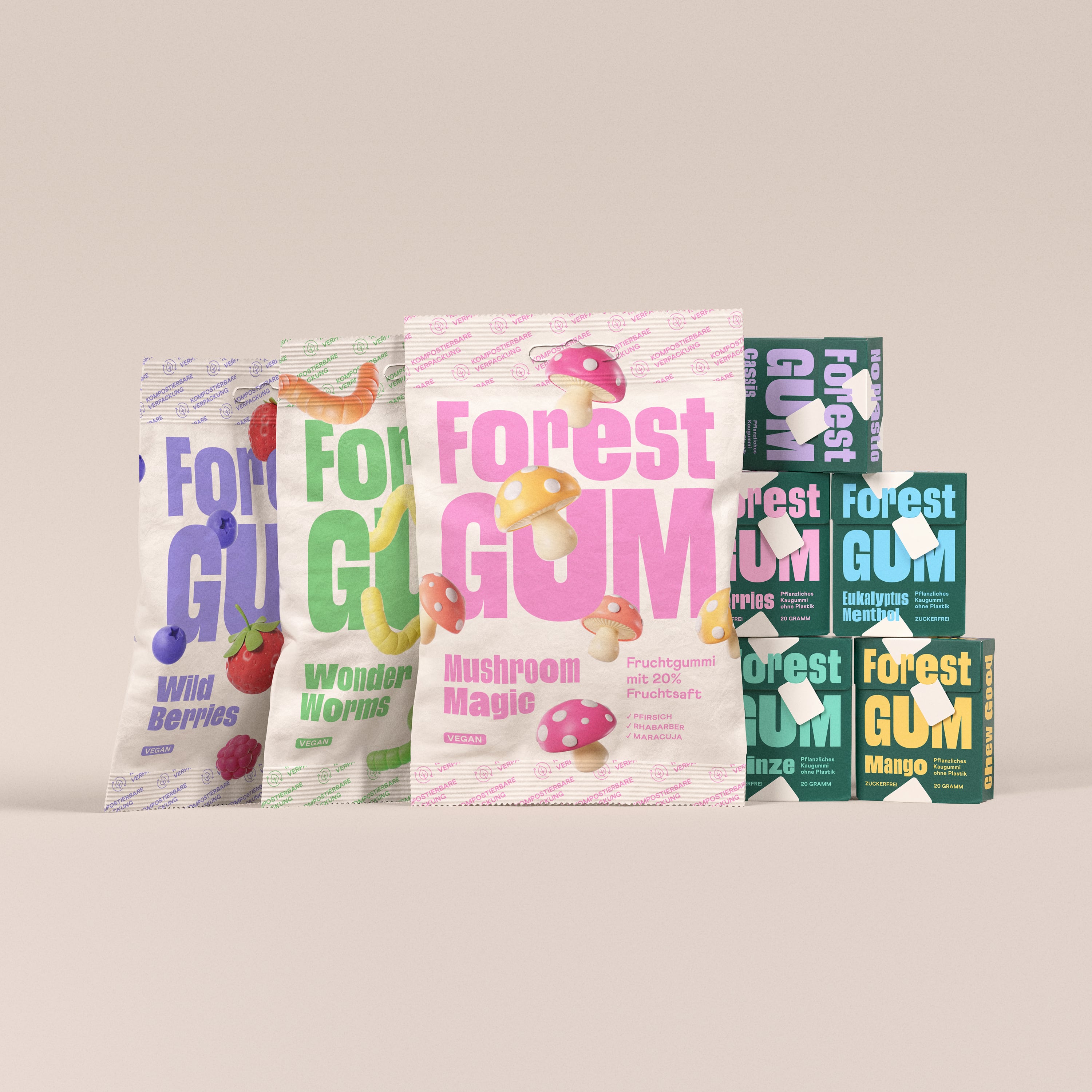
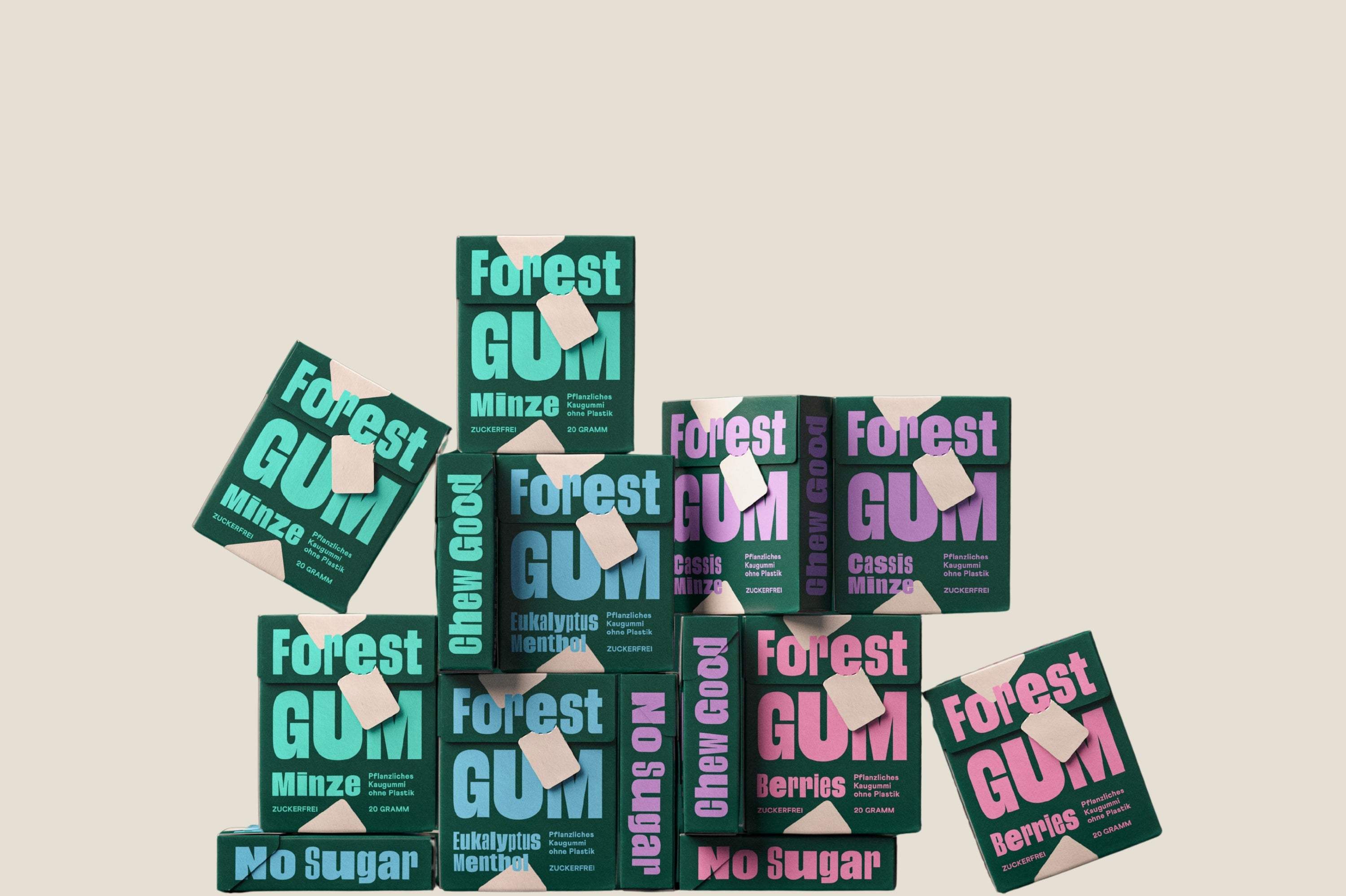
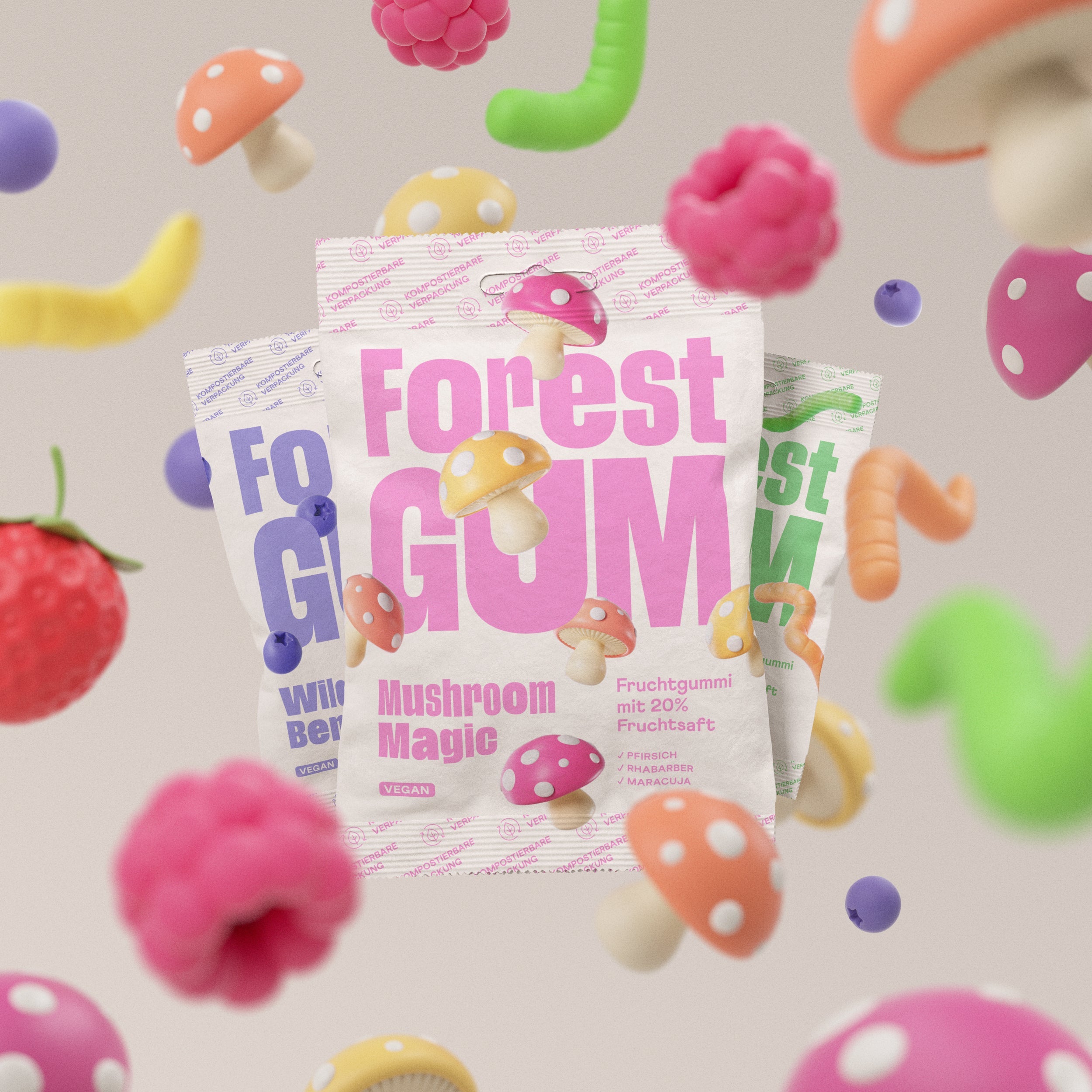


The packaging of your gummy bears will outlive you. At least the conventional kind.
We talk a lot about what we eat and drink. But what about the packaging it comes in? A bit of aluminum foil here, a plastic strip there – it sounds like a minor detail. But when scaled up to billions of gummy bear bags worldwide, it adds up to a staggering figure. The alternative has long since ceased to be science fiction.

237 kilograms per person
According to the Federal Statistical Office, around 19.7 million tons of packaging waste were generated in Germany in 2021. This corresponds to an average of 237 kilograms per person per year. Confectionery packaging is a prime example of a systemic problem: used for seconds, disposed of for decades.
What plastic-free packaging can already do today
For a long time, the packaging industry argued that plastic-free solutions were not technically feasible – too unstable, too permeable to moisture, not providing enough protection. That is no longer true. Multi-layer packaging made of paper and bio-based film – produced from corn, starch, or sugarcane – offers the same protection as conventional plastic. Without fossil raw materials.
Bio-based means: The film looks similar to normal plastic, but it is made from renewable raw materials and is compostable according to DIN EN 13432 / NF T51-800:2015 (Certificate No. 9P0044), decomposing in a home compost bin within about six months.
The signal that consumers can send
When consumers choose products that consistently rely on plastic-free packaging, it creates pressure on the entire industry. That is the real lever. Don't wait for the big players to change course on their own. Instead, show that the market is ready.
Sources: Federal Statistical Office – destatis.de; WWF – wwf.de; Federal Ministry for the Environment BMUKN