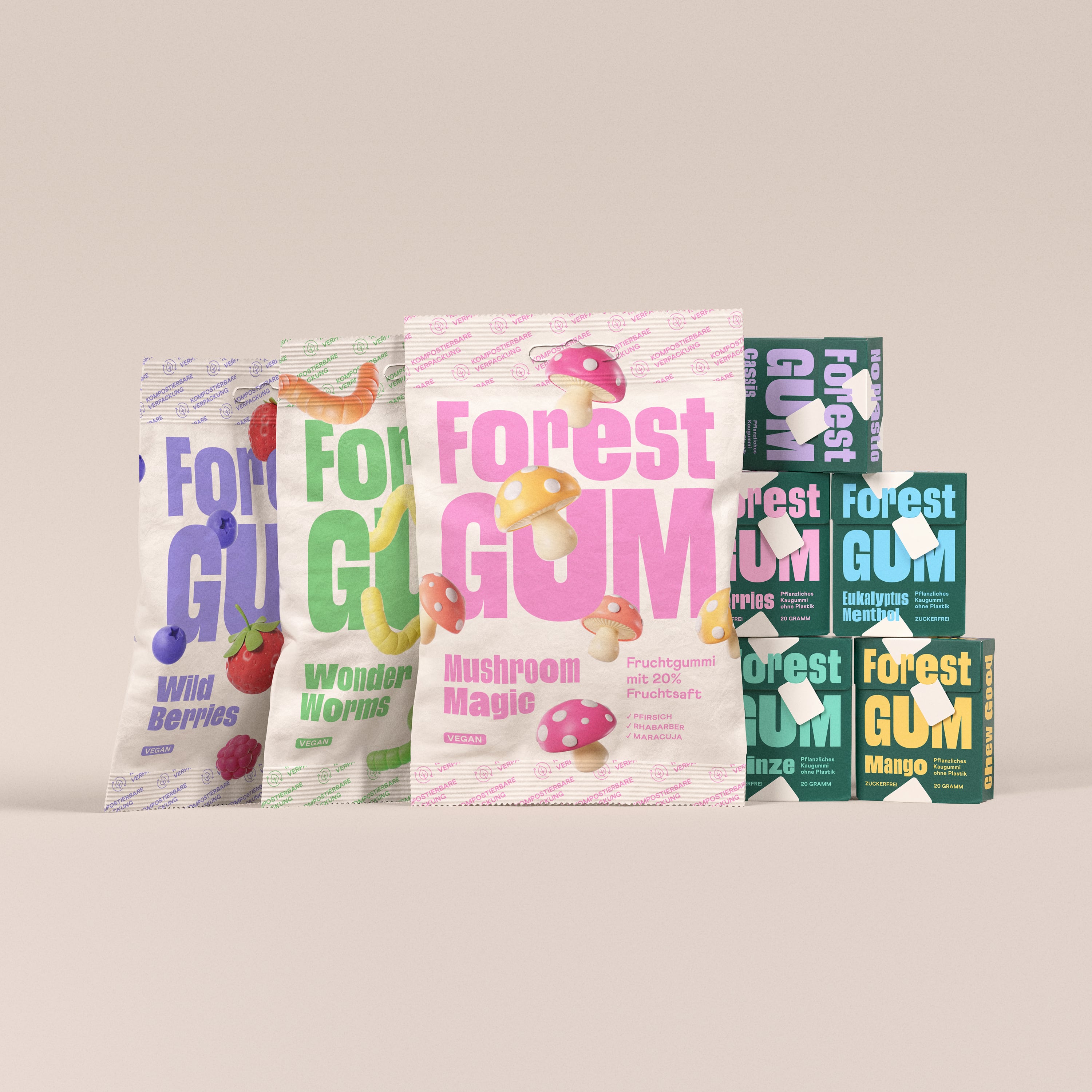
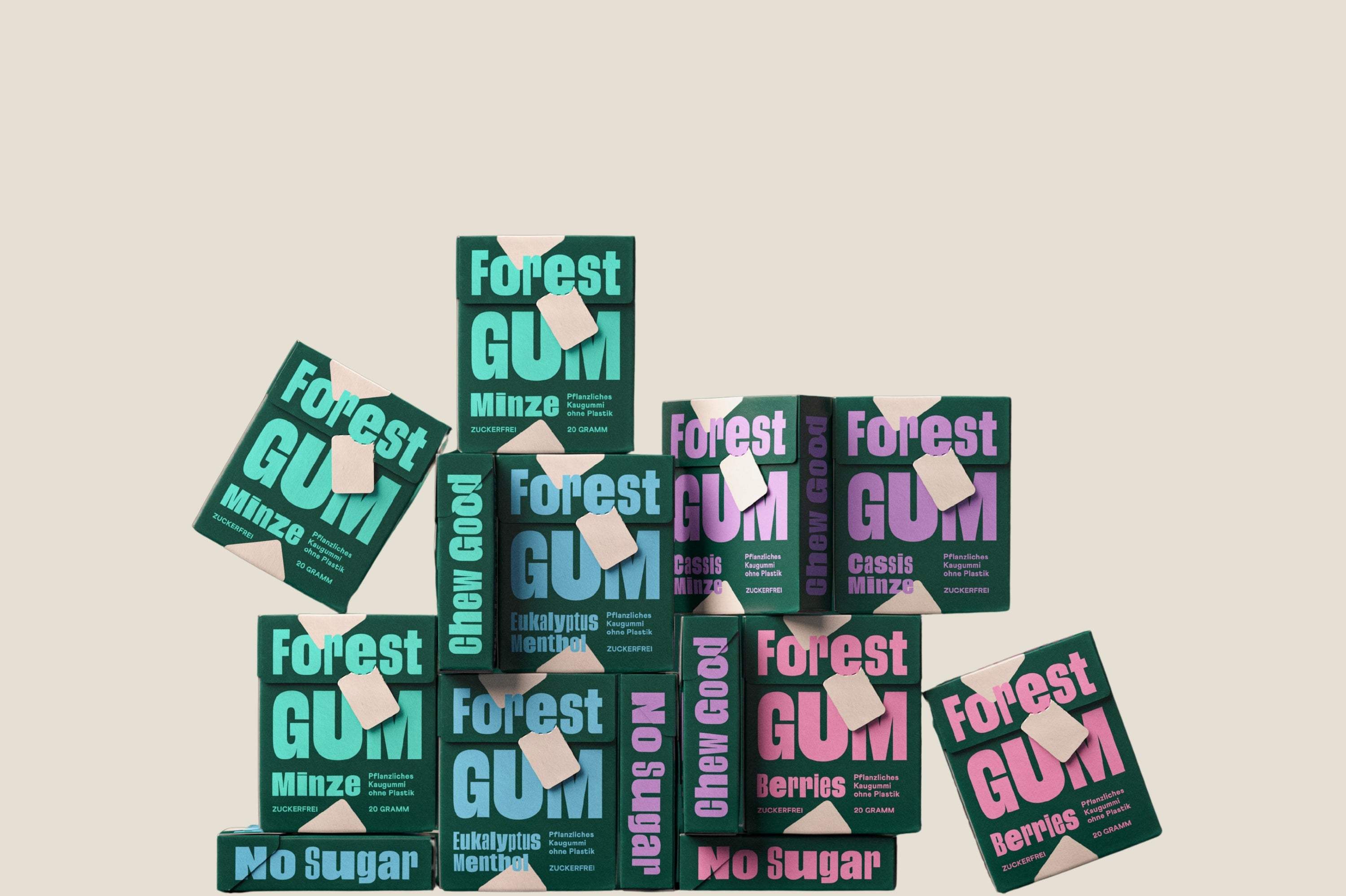
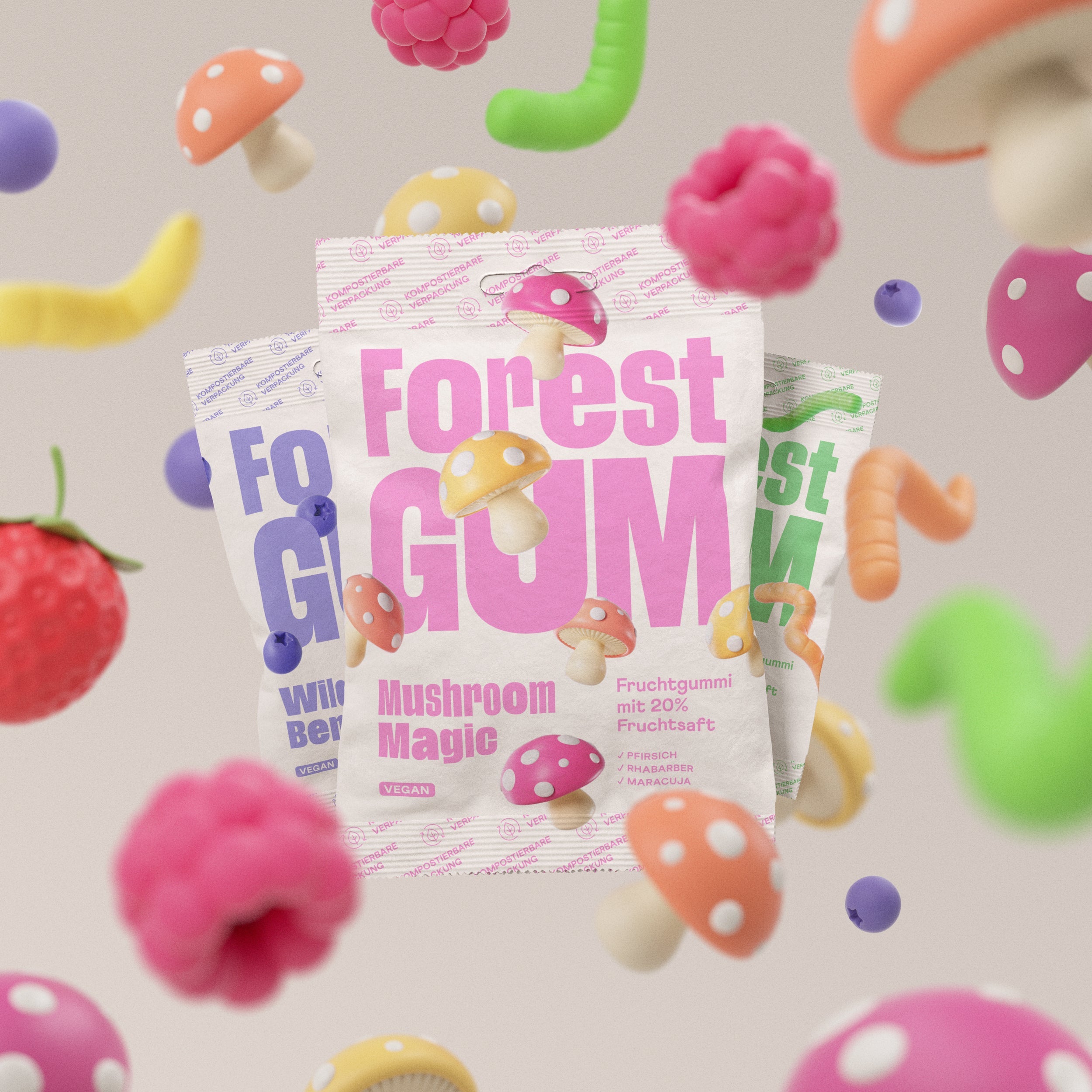


What chewing gum should really look like – and how it has for thousands of years
Before petrochemistry took over chewing gum, people chewed on tree resins. The ancient Greeks chewed mastic. The Maya chewed chicle – the sap of the sapodilla tree. Chewing gum is ancient human history. What is modern is the plastic inside it. And that can be changed.

Back to the roots
Plant-based tree resins and saps as a natural gum base have a long history. They are biodegradable, require no fossil raw materials, and come from renewable sources. This is not a retro trend – it is simply the more logical choice.
Instead of petrochemical polymers, the natural sap of the rubber tree (Hevea brasiliensis) can serve as a gum base. This natural rubber is flexible, pleasant to chew, and entirely of plant origin. Chewing gum without plastic – that is how it was intended to be.
FSC-certified: What that really means
Not all rubber is the same. Cultivation can be associated with significant environmental impacts – deforestation, poor working conditions, opaque supply chains. The FSC 100% label is the international standard for responsible forestry. It guarantees: protection of biodiversity, soil, water, and the climate. Fair and safe working conditions. Respect for the rights of local and indigenous communities.
In short: It is not enough to avoid using plastic. It also matters where the natural material comes from and how it is harvested.
Why this concerns you as a consumer
Every purchasing decision is a vote. Those who choose FSC-certified natural rubber strengthen supply chains that protect forests instead of destroying them – in Malaysia, in Germany, everywhere. That sounds abstract, but it is not: behind every product are real decisions with real consequences.